Understanding Botanical Ingredients in Modern Wellness Products
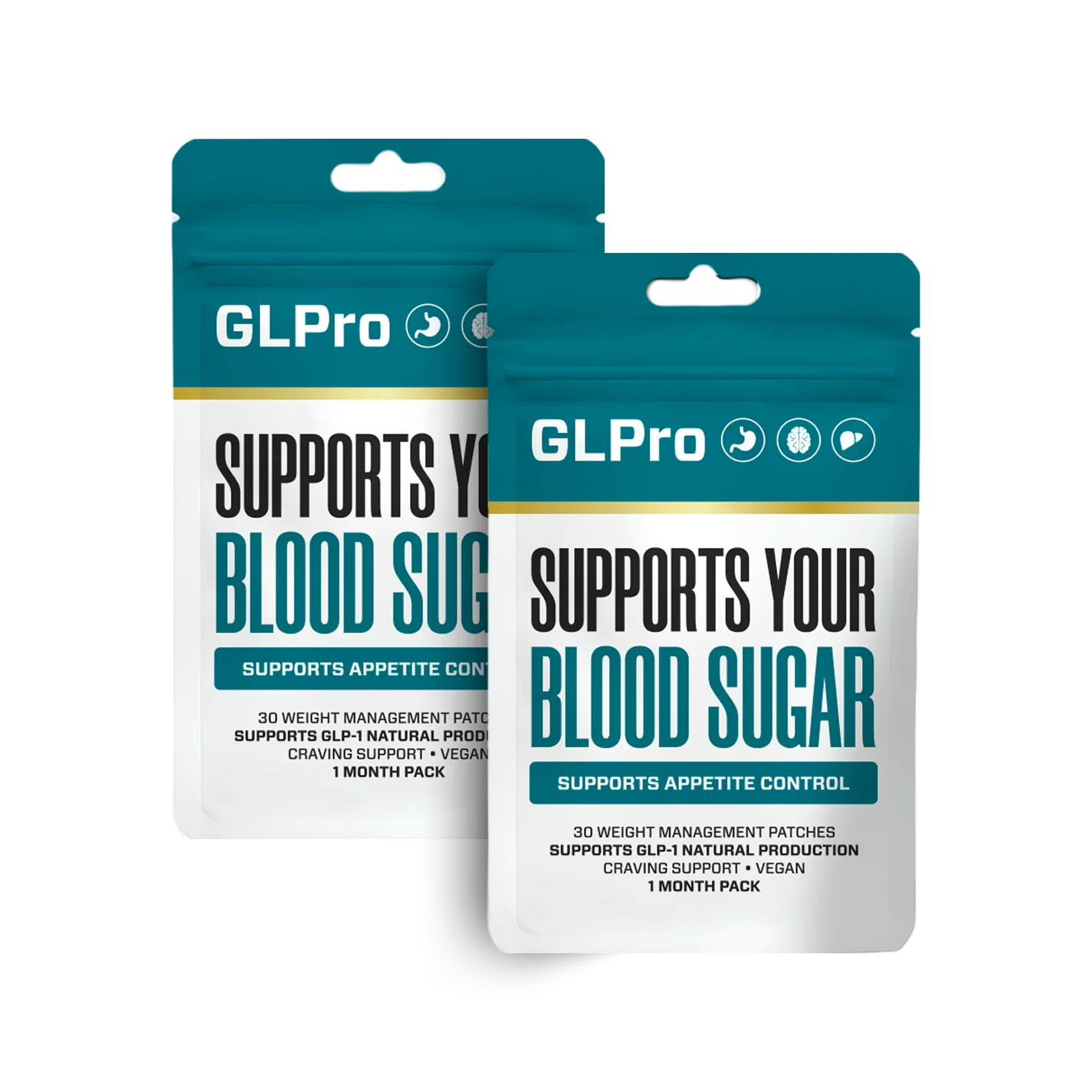
"Botanical ingredient" is one of the most common phrases on a wellness label — and one of the least understood. It simply means an ingredient derived from a plant, rather than synthesized or sourced from an animal or mineral. Beyond that basic definition, botanical ingredients vary enormously in history, composition, and purpose.
A quick primer on where botanicals come from
Botanical ingredients can come from roots, bark, leaves, vines, or whole plants, and are typically processed into extracts to concentrate their naturally occurring compounds. Many have been used in traditional wellness systems — herbal medicine traditions across Asia, the Americas, and elsewhere — long before they appeared in modern commercial products.
Common botanicals in modern wellness formulas
- Wild Yam — a tuberous vine used in herbal wellness traditions for generations.
- Cinnamon Extract — discussed in more depth in our dedicated cinnamon article.
- Bitter Melon Extract — rooted in traditional Asian wellness systems.
- Astragalus Root — a staple of traditional Chinese wellness practices, containing polysaccharides and flavonoids.
- Gynostemma — a climbing herb valued in traditional herbal wellness for its naturally occurring gypenosides.
These five appear together in the GLPro Patches formula, each selected for its individual place in botanical wellness tradition.
How to evaluate a botanical claim
When a product cites a botanical ingredient, it's worth asking three questions:
- Is the ingredient's traditional use accurately described, or exaggerated?
- Does the brand distinguish between an ingredient's history and proof that the finished product works?
- Is the language "wellness support" or does it cross into disease-treatment claims?
Honest botanical marketing sticks to what's actually known: a compound's origin, its traditional role, and its place within a broader formula — without overstating what that means for you personally.